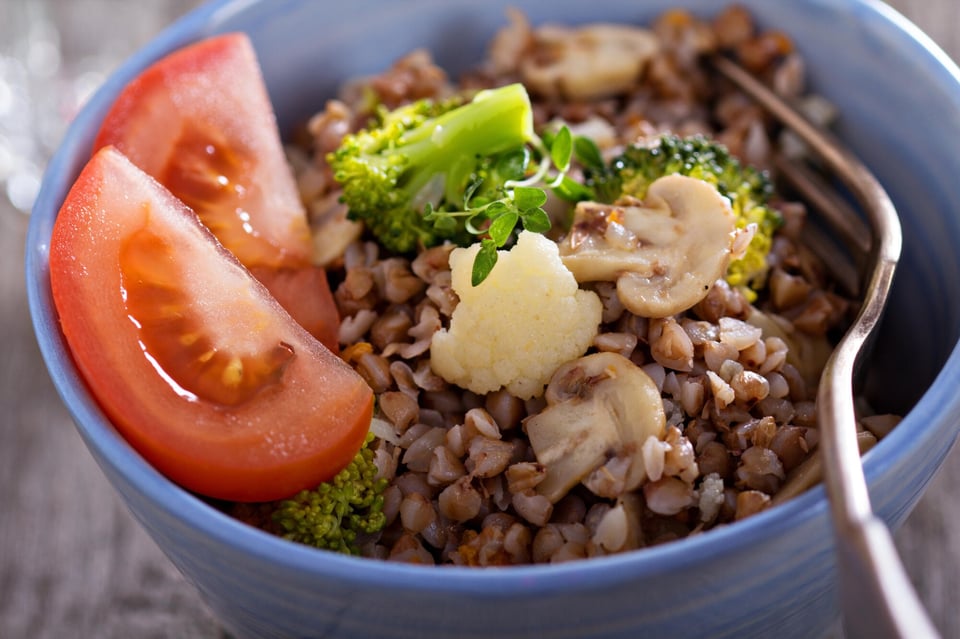
High-fiber meals rich in fruits, vegetables, whole grains, and legumes help seniors stay regular, support digestive health, and maintain steady energy throughout the day.
Digestive discomfort and low energy are common concerns for seniors, but the right meals can make a noticeable difference in how they feel each day. High-fiber foods support regular digestion, steady energy levels, and overall gut health, helping seniors feel lighter, more comfortable, and more alert.
By choosing fiber-rich meals made with whole grains, fruits, vegetables, and legumes, older adults in Midwest City, OK, a vibrant community just east of Oklahoma City and nestled along the scenic North Canadian River, can reduce digestive issues while supporting heart health and sustained vitality.
Understanding how high-fiber meals benefit the body empowers seniors and caregivers to make simple, everyday food choices that promote regularity, comfort, and long-lasting energy.
How Does Fiber Support Digestive Regularity?
Fiber plays a crucial role in maintaining healthy digestion, especially for older adults.
Soluble fiber, found in foods like oats, beans, and apples, absorbs water and forms a gel-like substance that helps soften stool, making it easier to pass.
Insoluble fiber, present in whole grains, vegetables, and nuts, adds bulk to stool and promotes regular bowel movements by moving waste efficiently through the digestive tract.
Incorporating fiber-rich foods into daily meals helps prevent constipation, reduce bloating, and support overall gut motility, which is a common concern for seniors. Regular fiber intake also enhances nutrient absorption and contributes to greater digestive comfort and overall well-being.
How High-Fiber Meals Sustain Energy Levels
High-fiber foods help stabilize blood sugar levels, providing seniors with steady energy throughout the day. Whole grains like oatmeal and brown rice, legumes such as lentils and beans, and fiber-rich fruits and vegetables slow digestion, preventing sudden spikes and crashes in energy.
Including fiber with each meal also promotes satiety, helping older adults feel full longer and avoid energy dips caused by overeating or snacking on low-nutrient foods. Regular consumption of fiber-rich meals supports mental alertness, physical activity, and overall vitality, making it easier for seniors to stay active and engaged in daily routines.
How Fiber Promotes Heart and Metabolic Health
Dietary fiber supports more than just digestion; it also plays a key role in cardiovascular and metabolic wellness. Soluble fiber, found in oats, barley, and beans, helps lower cholesterol levels, which can reduce the risk of heart disease.
Fiber also aids in regulating blood sugar, supporting healthy weight management, and improving overall metabolic function. For seniors, regular intake of high-fiber foods contributes to long-term heart health, sustained energy, and better overall physical resilience.
How Hydration Works With Fiber for Optimal Digestion
Adequate hydration is essential when increasing fiber intake, as water helps move fiber through the digestive tract and prevents bloating or constipation. Seniors who pair fiber-rich meals with enough fluids support smoother digestion, better nutrient absorption, and sustained energy throughout the day.
Drinking water consistently, alongside soups, smoothies, and other hydrating foods, enhances the benefits of a high-fiber diet, helping older adults maintain comfort, regularity, and overall digestive wellness.
Practical Tips for Adding Fiber to Daily Meals
Increasing fiber intake doesn't have to be complicated, and even small changes can make a big difference in digestion and energy levels. Focusing on simple, everyday swaps and additions ensures seniors can enjoy fiber-rich meals without feeling restricted or overwhelmed.
- Start the Day With a Fiber-Rich Breakfast - Choose oatmeal, whole-grain cereals, or whole-wheat toast with fruit to kickstart digestion and provide steady morning energy
- Add Beans and Legumes to Meals - Incorporate lentils, chickpeas, black beans, or kidney beans into soups, salads, and casseroles for extra fiber and protein
- Snack on Fruits, Vegetables, and Nuts - Fresh fruits, cut vegetables, and a handful of nuts make convenient, fiber-packed snacks that support regularity
- Choose Whole Grains Whenever Possible - Swap white rice, pasta, and bread for brown rice, quinoa, whole-grain pasta, or whole-wheat bread to boost daily fiber intake
- Include Fiber in Every Meal - Plan meals to consistently include fiber-rich foods like leafy greens, berries, seeds, and whole grains to maintain digestive health and steady energy
Frequently Asked Questions
How Much Fiber Should Seniors Aim for Each Day?
Adults over 65 generally need about 21-30 grams of fiber daily, depending on gender and activity level, to support digestion and overall health.
Can Too Much Fiber Cause Digestive Issues?
Excessive fiber without adequate hydration may lead to bloating, gas, or constipation, so it's important to increase intake gradually and drink plenty of fluids.
Which Fiber-Rich Foods Are Easiest to Include in Meals?
Whole grains, beans, lentils, fruits, vegetables, nuts, and seeds are all simple ways to boost daily fiber intake without major meal changes.
Does Fiber Help With Energy Levels?
Yes, fiber slows digestion and stabilizes blood sugar, helping seniors maintain steady energy throughout the day.
Can High-Fiber Diets Support Heart Health?
Soluble fiber helps lower LDL cholesterol and can contribute to overall cardiovascular wellness, which is particularly important for aging adults.
Are There Snacks That Count Toward Daily Fiber Goals?
Yes, fresh fruit, raw vegetables with hummus, nuts, and whole-grain crackers are convenient, fiber-rich snack options.
How Quickly Will I Notice Benefits From Increasing Fiber?
Digestive improvements often appear within a few days to a week, while sustained energy and heart benefits develop over longer-term consistent intake.
Can Fiber Interact With Medications or Supplements?
Some fiber supplements can affect the absorption of certain medications; seniors should consult a healthcare provider when making major dietary changes.
Supporting Digestive Health, Energy, and Everyday Vitality
Healthy eating habits are a cornerstone of overall wellness, especially for older adults who want to stay energized and comfortable every day. High-fiber meals support regular digestion, steady energy levels, and long-term heart and metabolic health, helping seniors enjoy life with confidence and ease.
At Morada Midwest City, seniors benefit from a supportive environment where nutrition and well-being are prioritized as part of everyday living. The community offers assisted living with thoughtfully prepared meals that include fiber-rich, nutrient-dense foods designed to support digestive regularity and sustained energy. In addition to delicious dining, a welcoming lifestyle with activities, social engagement, and personalized care helps residents maintain healthy routines and enjoy meaningful connections.
Contact our team to learn how our dining and lifestyle programs can help enhance digestive health, energy, and quality of life for seniors.
.jpeg?width=1200&height=489&name=50-web-or-mls-W%20Blueridge%20Dr-005g%20(1).jpeg)