
Summary
Moving into assisted living typically takes two to six weeks for planned moves, though the timeline depends on apartment availability, your support needs, and paperwork completion. Understanding what to expect helps families make informed decisions, whether planning ahead or facing an urgent transition.
- Planned moves usually involve three stages: community research and tours, assessments and paperwork (one to two weeks), and move-in preparation with financial arrangements finalized.
- Emergency admission can happen within 24 to 72 hours if an appropriate apartment is available and all requirements are met, though fast-track placement isn't guaranteed.
- Gather medical records, medication lists, identification, and financial documents early to prevent delays and keep the process moving smoothly.
- Apartment availability, personal support needs, medical documentation, and state admission requirements all influence how quickly you can complete your move.
- Personalized planning assessments help communities understand your needs and determine appropriate services before admission, supporting a more informed decision.
Moving into an assisted living community takes planning, but the process doesn't always have to take months. Whether you're exploring options for a family member or facing an urgent situation, knowing what to expect can make the transition feel more manageable.
The assisted living move-in timeline depends on apartment availability, individual support needs, and how quickly the required paperwork can be completed. Some families have several weeks to prepare, while others need to make arrangements much sooner.
Typical Timeline for a Planned Move
For families planning ahead, moving into assisted living may take approximately two to six weeks. This gives everyone time to explore communities, compare costs, and find an environment that feels comfortable.
The process generally involves three stages:
- Research and tours: Visit communities, explore apartment options, and discuss available services.
- Assessment and paperwork: Complete required forms, review health information, and discuss personal support needs.
- Move-in preparation: Finalize financial arrangements, select an apartment, and coordinate moving day.
Once a community is selected, assessments and paperwork may take one to two weeks, depending on individual circumstances.
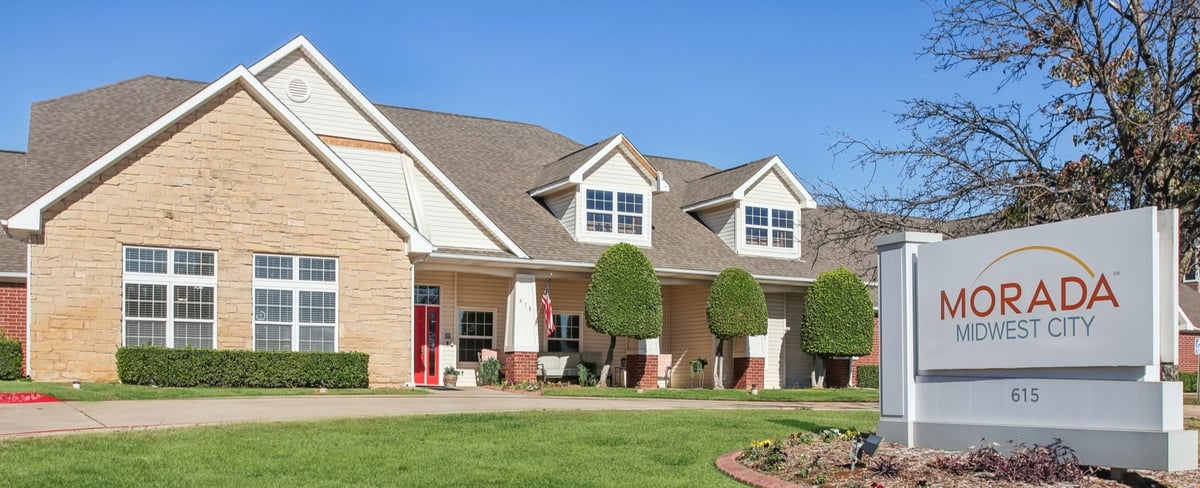
At Morada Midwest City in Midwest City, OK, families can discuss the community's Assisted Living services, apartment availability, and admission requirements with Associates before making a decision.
How Quickly Can You Move to Assisted Living in an Emergency?
Unexpected circumstances sometimes make a quick transition necessary. A hospital discharge, sudden change in mobility, or difficulty managing daily routines may leave families wondering how quickly they can move to assisted living.
Some communities can arrange admission within 24 to 72 hours when an appropriate apartment is available and all requirements are satisfied. However, this timeframe isn't guaranteed.
Emergency Placement in Assisted Living
Emergency placement in assisted living generally involves a more concentrated admission process. Communities may prioritize assessments, required health documentation, and financial arrangements to determine whether they can safely meet someone's needs.
Hospital discharge planners and social workers can help families coordinate these steps. Although fast-track senior living placement may be possible, essential assessments and admission requirements must still be completed before moving in.
Contacting Morada Midwest City directly is the best way to confirm whether an expedited move-in is available.
Factors That Affect Assisted Living Admission Process Time
Several factors influence how quickly a resident can move into a community. Knowing what might cause delays allows families to prepare important documents and address questions earlier.
Common considerations include:
- Apartment availability: An immediate opening may shorten the timeline, while a waiting list can extend it.
- Personal support needs: Residents requiring additional assistance may need a more detailed assessment.
- Financial arrangements: Having payment information and funding decisions ready can prevent unnecessary delays.
- Medical documentation: Current physician records, medication lists, and health assessments help establish appropriate support.
- Admission requirements: Community procedures and applicable state regulations may affect when a move can be completed.
For families considering Morada Midwest City, discussing these requirements early can help establish a realistic schedule.
Steps to Speed Up the Move-In Process
A little preparation can make a meaningful difference, particularly when circumstances change unexpectedly.
Families can help keep the process moving by:
- Gathering medical records, medication information, identification, and financial documents.
- Contacting communities early to discuss availability and admission requirements.
- Scheduling tours and assessments promptly.
- Asking which forms must be completed before move-in.
- Coordinating with hospital discharge planners when appropriate.
- Keeping communication open with community Associates throughout the process.
Even if you're not ready to move immediately, having this information organized can save valuable time later.
What Happens During the Personalized Planning Period?
Before admission, communities assess each prospective resident's needs to determine whether their services are appropriate.
This typically includes reviewing mobility, personal assistance requirements, health information, and daily routines. Families may also discuss preferences related to meals, social events, and apartment arrangements.
At Morada Midwest City, Assisted Living focuses on helping residents with everyday tasks while providing opportunities to enjoy community life. Families can ask about dining, housekeeping, and scheduled programs as they consider how the environment might fit their family member's preferences.
Personalized planning also helps clarify service costs, which may vary depending on the level of assistance required. Taking time to complete this stage supports a more informed decision.
Planning Ahead vs. Waiting Until a Crisis
Planning ahead gives families more time to compare communities, review costs, and involve the future resident in decisions. It also provides greater flexibility when choosing an apartment and arranging a comfortable moving date.
An urgent move may limit those choices, particularly when availability is restricted. However, families can still make informed decisions by asking clear questions about services, costs, and admission requirements.
If you're wondering how long to move into assisted living, beginning your research before an immediate need arises is often the most practical approach.
Plan Your Move to Morada Midwest City
If you're planning weeks ahead or need to move urgently, knowing the admission requirements, available apartments, and expected timeline makes planning easier. Morada Midwest City offers a welcoming setting with chef-prepared homestyle meals, weekly housekeeping, and social programs such as chair yoga and games. These everyday comforts can help residents settle into familiar routines as they adjust to community living.
Schedule a tour of Morada Midwest City to meet the associates, explore available apartment homes, and discuss your preferred move-in timeline. The team can explain the next steps and help you prepare for a comfortable transition.