Learning something new every day, whether it involves picking up an instrument or reading a novel, can have a powerful impact on mental sharpness in seniors. Engaging the brain through new experiences does everything from stimulating neural pathways to strengthening memory and beyond.
Those in Midwest City, OK, who practice lifelong learning for seniors often enjoy higher levels of mental clarity. They can also hone their problem-solving skills and cultivate an increased sense of purpose.
Curiosity and aging go hand in hand. When older adults actively explore new subjects or hobbies, they keep their minds engaged. Morada Midwest City encourages a culture of continuous discovery.
How Can Lifelong Learning Improve Brain Health in Seniors?
The human brain remains capable of growth well into older adulthood. The following can stimulate neurons and encourage neuroplasticity:
- Learning new skills
- Studying fresh topics
- Picking up hobbies
When seniors challenge themselves with new concepts, they create mental exercises that are just as important as physical activity for holistic health.
Regular engagement in learning activities can help slow age-related cognitive decline. Activities such as learning a musical instrument, practicing a new language, or even tackling a new recipe activate multiple areas of the brain at once. Seniors who embrace curiosity and aging tend to demonstrate better memory retention and improved mental sharpness over time.
Moreover, learning promotes social interaction. The following can encourage conversation and collaboration:
- Group classes
- Discussion clubs
- Shared hobbies
Senior engagement in these settings supports emotional health and provides meaningful ways to connect with others. Communities like Morada Midwest City provide opportunities for residents to pursue personal interests, nurturing both mental and social well-being.
What Are Simple Brain Health Habits Seniors Can Adopt Daily?
Small everyday habits can significantly influence brain health. Starting with just half an hour of focused learning each day creates consistent stimulation for cognitive function. The following can act as excellent starting points:
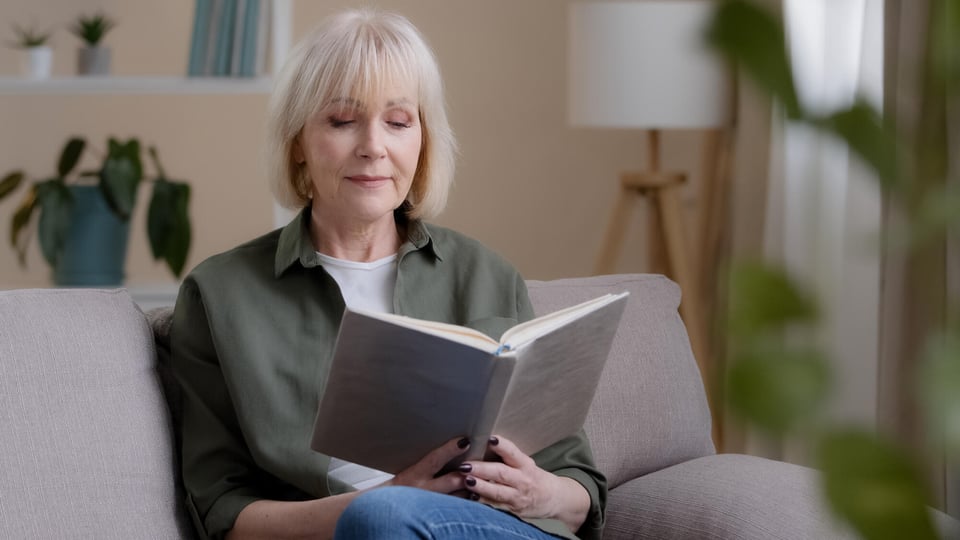
- Reading a book
- Exploring an online course
- Watching educational videos
Even researching a new topic online offers mental challenges that support aging and mental sharpness.
Journaling about new information or experiences also strengthens memory and comprehension. Writing engages the brain by requiring:
- Attention
- Recall
- Organization of thoughts
Combined with reflection on what was learned, this practice reinforces the material and encourages critical thinking.
Incorporating curiosity and aging into everyday routines can also be as simple as asking questions and seeking answers. Observing a phenomenon in nature, exploring cultural history, or learning a new skill at home stimulates the brain naturally. Engaging in hobbies like painting, puzzles, or gardening combines mental activity with sensory input, further enhancing brain health habits.
Another critical aspect of brain health is maintaining consistent mental stimulation. Avoiding long periods of inactivity, monotony, or reliance on routine tasks keeps the brain active. Senior engagement through new challenges ensures that cognitive function is continuously exercised, protecting memory and focus while promoting overall vitality.
How Does Daily Learning Impact Emotional and Social Well-Being?
Learning is not only beneficial for cognition but also for emotional health. Taking on new challenges provides a sense of accomplishment and can boost self-confidence.
Seniors who explore areas of interest experience joy, purpose, and a more positive outlook. The mental stimulation from daily learning contributes to reduced feelings of boredom or isolation, which can be common in older adults.
Sharing knowledge with peers further strengthens social bonds. Group discussions or casual conversations about new discoveries provide opportunities for connection and mutual learning.
Interactions like these boost community engagement and give seniors meaningful ways to participate in intellectual and social life. Morada Midwest City emphasizes senior engagement through a culture of curiosity and exploration, encouraging residents to take part in learning experiences and social exchanges.
Learning also encourages flexibility in thinking. Seniors who practice curiosity and aging regularly are better able to adapt to changes, solve problems creatively, and manage everyday challenges. Emotional resilience improves alongside cognitive function, creating a holistic approach to healthy aging.
Frequently Asked Questions
What Kinds of Activities Count as Lifelong Learning for Seniors?
Any activity that challenges the mind qualifies. Reading, learning a new language, engaging in art, music, or puzzles, and exploring hobbies all help strengthen brain function.
How Often Should Seniors Engage in New Learning Activities?
Daily exposure to new information or skills is ideal, even if it's only for around half an hour. Consistency is the secret to maintaining cognitive wellness and aging with mental sharpness.
Can Learning New Skills Reduce the Risk of Memory Loss?
Yes. Seniors who take to lifelong learning maintain stronger neural connections. Doing this may slow memory decline and support overall brain health.
Is Social Interaction Important for Brain Health?
Absolutely. Learning alongside others promotes conversation, idea exchange, and collaboration. Senior engagement in group activities enhances both emotional well-being and cognitive function.
What Are Easy Ways to Incorporate Brain Health Habits at Home?
Simple practices include reading, journaling, exploring educational videos, doing puzzles, or learning a small new skill daily. Even casual curiosity provides mental stimulation.
How Does Curiosity Affect General Well-Being?
Curiosity keeps seniors mentally active, encourages problem-solving, and strengthens memory. Engaging in new experiences solidifies a sense of purpose, boosts mood, and encourages continued social participation.
Can Daily Learning Improve Emotional Health?
Indeed. Mastering new skills or understanding new topics can increase self-confidence and provide fulfillment. Seniors often experience a positive outlook and reduced feelings of isolation when they engage in learning consistently.
How Can Communities Like Morada Midwest City Support Brain Health?
Communities should encourage exploration and provide opportunities for social engagement. By doing that and promoting a culture of curiosity, they help residents maintain mental sharpness.
It's Time to Make a Life at Morada Midwest City
Engaging in lifelong learning for seniors is a straightforward yet effective way to maintain brain health. Daily challenges and curiosity encourage mental growth, strengthen memory, and more.
Morada Midwest City has nurtured a culture of curiosity and exploration. The community provides residents with opportunities to embrace new experiences, such as expert-led yoga or stimulating book discussions. Residents also love how delicious the chef-prepared meals are each day.
If you want to enjoy everything positive that old age has to offer, schedule a one-on-one tour of Morada Midwest City today.
.jpeg?width=1200&height=489&name=50-web-or-mls-W%20Blueridge%20Dr-005g%20(1).jpeg)